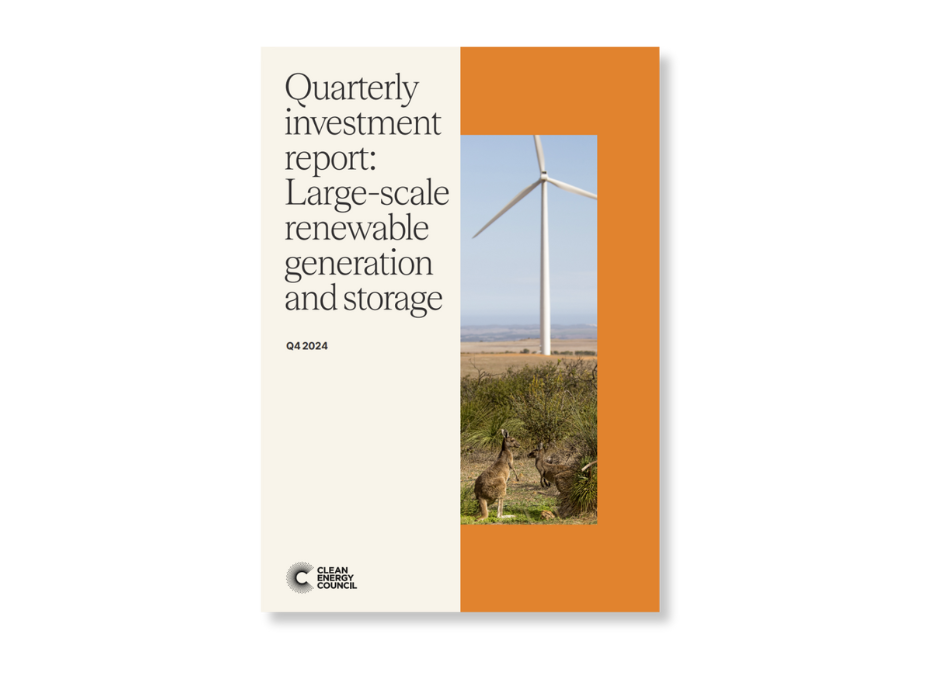
2024 was the biggest year for clean energy investment since 2018
Read our summary of the quarterly investment report from Q4 in 2024.
Share this report
13 Feb 2025
Renewable energy investment reached new highs in 2024 with a massive $9 billion invested in renewable energy projects across the year, along with 10,000 new jobs.
The Quarterly Investment Report revealed that Australia had its best year for large-scale renewable energy investment since 2018 with 4,346 MW of new generation capacity.
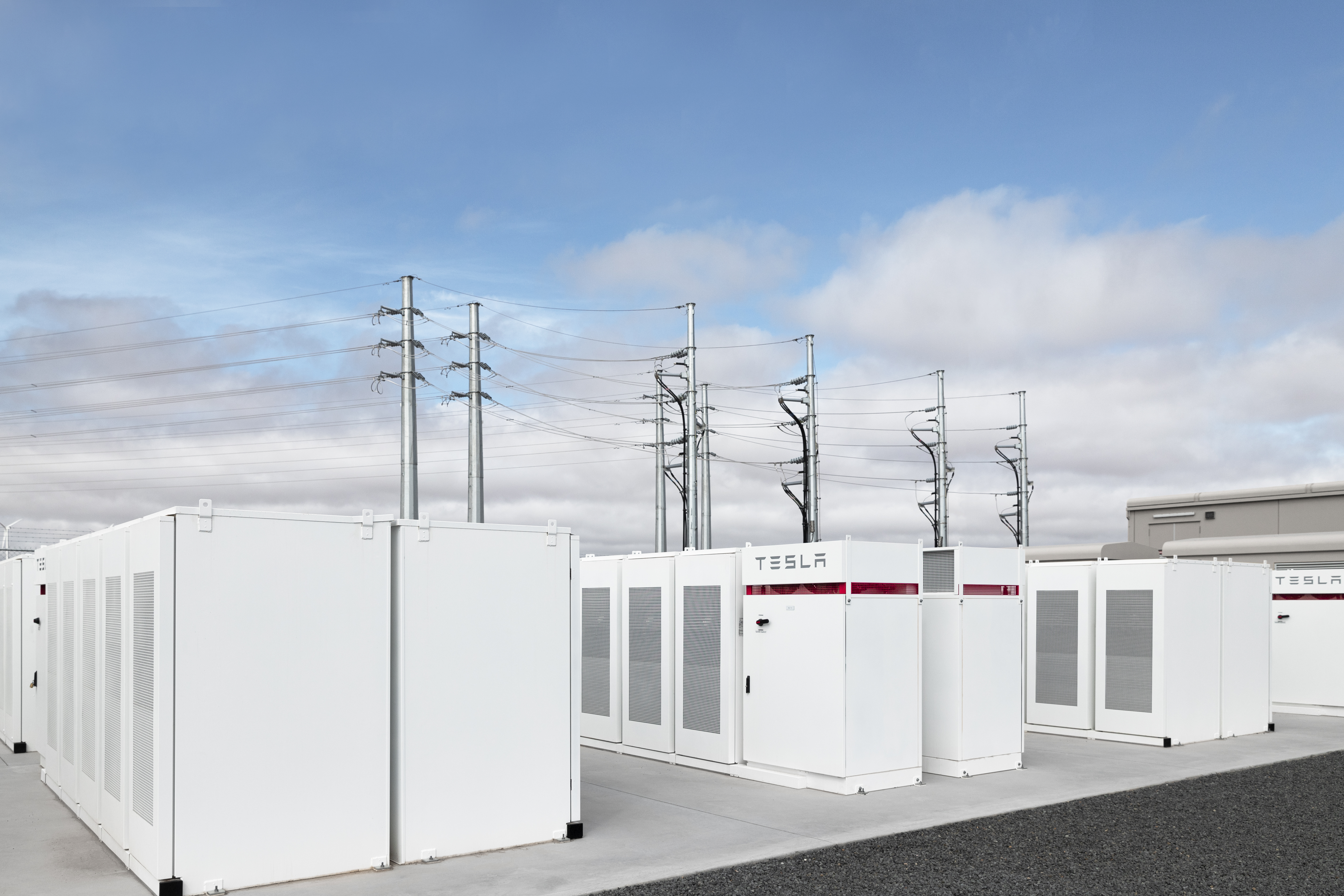
Pleasingly 4,029MW / 11,348 MWh of new energy storage projects were also committed over the year.
The quarterly result, which saw 1,598 MW of new generation capacity committed across seven projects is in line with the pace required for Australia to maintain its timely transition to a grid powered by clean energy, in the face of ageing and increasingly unreliable coal fired power stations.
Highlights for the quarter include:
The rolling 12-month average reached 3,282 MWh of energy output in Q3. This represents a 95% increase from the same period last year and highlights our ongoing commitment to ensuring grid stability when renewable generation fluctuates.
Submission on strengthening Australia’s response to modern slavery in supply chains
Our submission to the Attorney-General’s Department supports proposed reforms to the Modern Slavery Act 2018 (Cth) and provides recommendations on the design of the proposed ‘failure to prevent modern slavery offence’. It also includes renewable energy sector case studies highlighting practical supply chain challenges and considerations for implementation.
Australians backing rooftop solar, home batteries in record numbers
As conflict far from Australia’s shores drives up fuel prices and renews inflation pressures, households are increasingly taking energy security into their own hands.
Australia's clean energy pipeline notches a big century in 2026
Today’s announcement that the Federal Government has approved over 150 clean energy projects since 2022 shows that Australia’s clean energy industry is an economic powerhouse.
Reckless Coalition energy plan would take Australia backward
When clean energy projects are pouring billions of dollars into Australia and creating thousands of jobs, turning our back on this investment is reckless and short-sighted. It hurts our economy, it risks our future and, above all, it will make everyday Australians more vulnerable to global shocks and price volatility.
New industry risk index maps road to faster clean energy project delivery
Based on an extensive survey of industry insiders, the Renewable Energy Risk and Insurance Index, shows the increased scale and maturity of Australia's clean energy industry, with more organisations operating across different technologies and jurisdictions and delivering more complex projects.