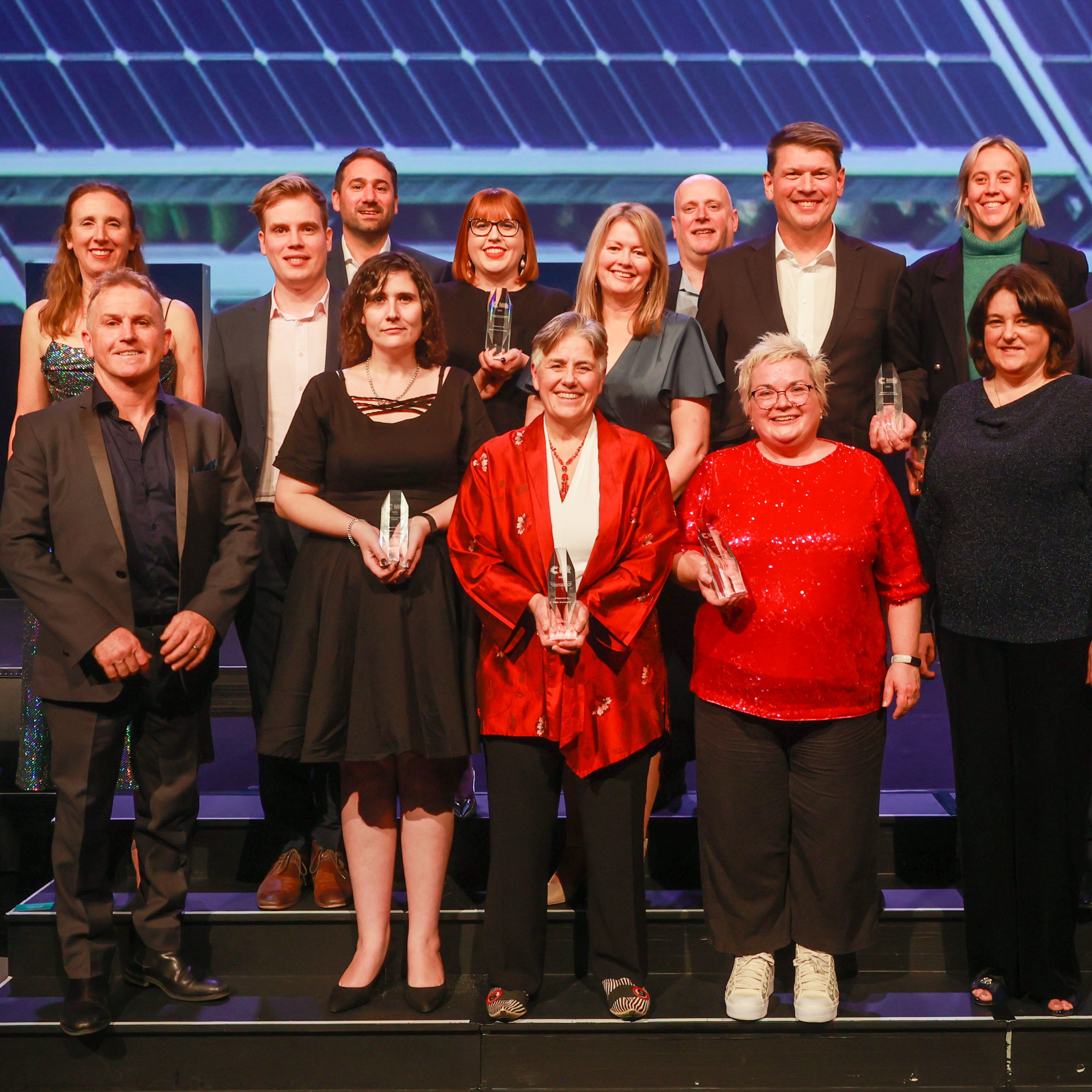
2026 Clean Energy Council Awards Finalists

Celebrating excellence across Australia's clean energy sector
Congratulations to this year's finalists for demonstrating excellence, leadership and innovation across the sector.
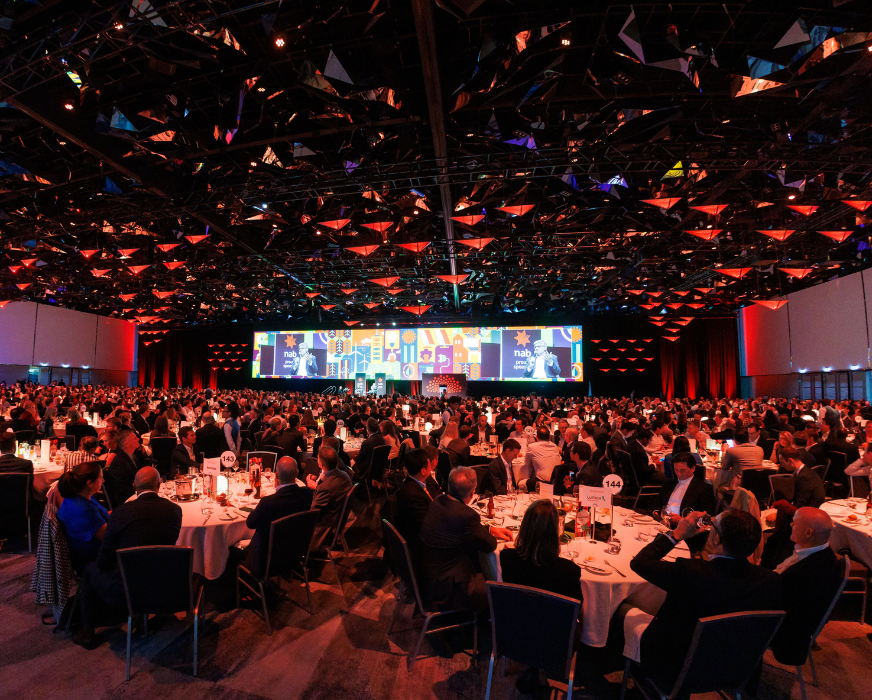
Explore this year's finalists below. Winners will be announced and celebrated at the Australian Clean Energy Summit Gala Dinner on Tuesday 28 July in Sydney.
The Clean Energy Council Awards 2026 are proudly supported by
Didn’t submit a nomination this year? Join our mailing list to stay informed about future awards and opportunities.
Meet the 2026 award finalists
Collaboration award
The collaboration award recognises an organisation, individual or group that has built consensus and driven progress among key stakeholders to support the Australian clean energy industry. This award was born out of the Connection Reform Initiative, a unique collaboration between AEMO, the Clean Energy Council and many parts of the industry.
-
Assess 2.0 land assessment platform - RELA
Assess 2.0 by RELA is a land assessment platform supporting renewable energy planning through collaboration between landowners, developers, First Nations representatives, agricultural bodies and industry stakeholders. Backed by the Australian Renewable Energy Agency, the project established a shared planning framework guided by a Stakeholder Reference Group comprising landowners, First Nations representatives, agricultural peak bodies, renewable energy industry groups and government organisations, aligning priorities and reflecting real-world land use, agricultural production systems and community priorities across the renewable energy transition.
-
Improved regional collaboration and local procurement pathways - Iberdrola Australia, Isaac Regional Council, Squadron Energy and CS Energy
The project brought together Iberdrola Australia, Isaac Regional Council, Squadron Energy, CS Energy, local industry and the community to align procurement pipelines, improve visibility of opportunities and strengthen local participation in renewable energy projects. Through the Renewable Energy Supply Chain Forum and coordinated investment in regional infrastructure, including upgrades to the Broadsound telecommunications tower and Marlborough-Sarina Road, the collaboration supported local employment, training and long-term workforce development.
-
Circular PV Alliance (CPVA) Certified® framework implementation - ACEN Australia and Circular PV Alliance
ACEN Australia collaborated with the Circular PV Alliance (CPVA) and industry partners to address solar panel end-of-life challenges and advance circular economy practices in the renewable energy sector. As a founding CPVA member, ACEN supported the development and real-world application of the CPVA Certified® framework, with certification of the Stubbo Solar project demonstrating its use at utility scale and establishing a practical industry benchmark. In the Central West Orana Renewable Energy Zone, ACEN also partnered with Yurruga to support the development of local solar panel recycling solutions where no existing recycling capacity is available. Together, ACEN Australia and CPVA aimed to strengthen accountability and accelerate the adoption of circular economy principles across the renewable energy sector.
Community value and impact award
The community value and impact award awarded to an organisation that has showcased best practice in engaging respectfully with the communities, and making an outstanding contribution to the regions, in which they operate including demonstrating sensitivity and responsiveness to environmental and cultural values. Excellence in this category reflects a deep commitment to collaboration, inclusion and community-led success.
-
Energy Resilience Community Fund - AusNet
The Energy Resilience Community Fund (ERCF) by AusNet was established to strengthen community resilience in response to severe weather events and extended power outages across its network. The Fund supports community-led projects that improve emergency preparedness, response and recovery, including resilience hubs, backup power systems and education programs that help communities stay safe, connected and informed during outages. Through locally led applications from councils, not-for-profits and community organisations, the ERCF has enabled place-based solutions that reflect local needs and priorities.
-
Goulburn Community Solar Farm - Smart Commercial Energy, Komo Energy and Community Energy for Goulburn
The Goulburn Community Solar Farm is a 1.4MW solar farm with 4.0MWh of battery storage, developed by Community Energy for Goulburn and delivered by Smart Commercial Energy and Komo Energy. Built through a cooperative model with more than 380 community investors, the project demonstrates how renewable energy infrastructure can be community-owned, democratically structured and locally funded, creating both clean energy and long-term economic benefits for the region.
-
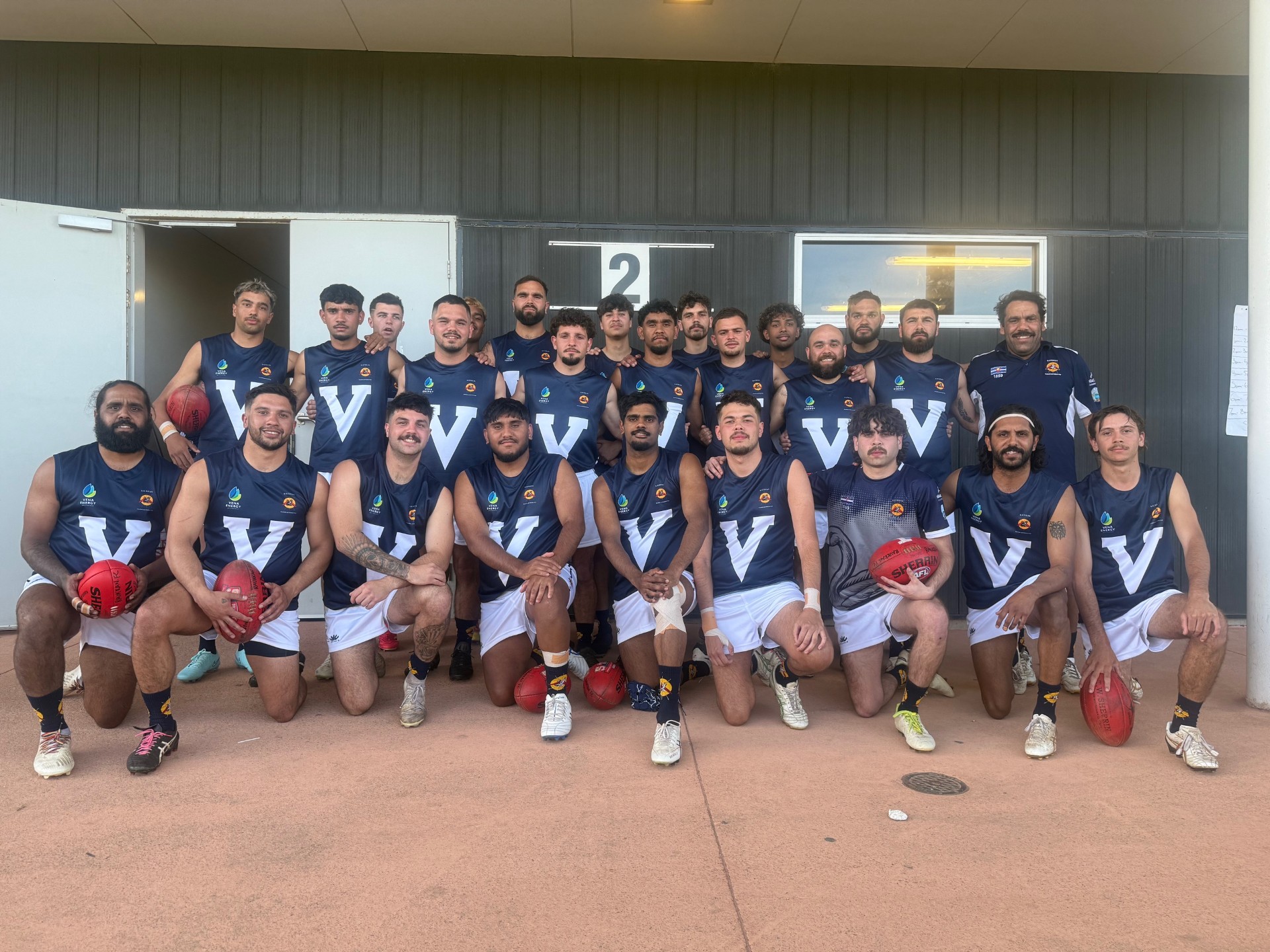
Skills, education and local investment in the Coorong District - Vena Energy
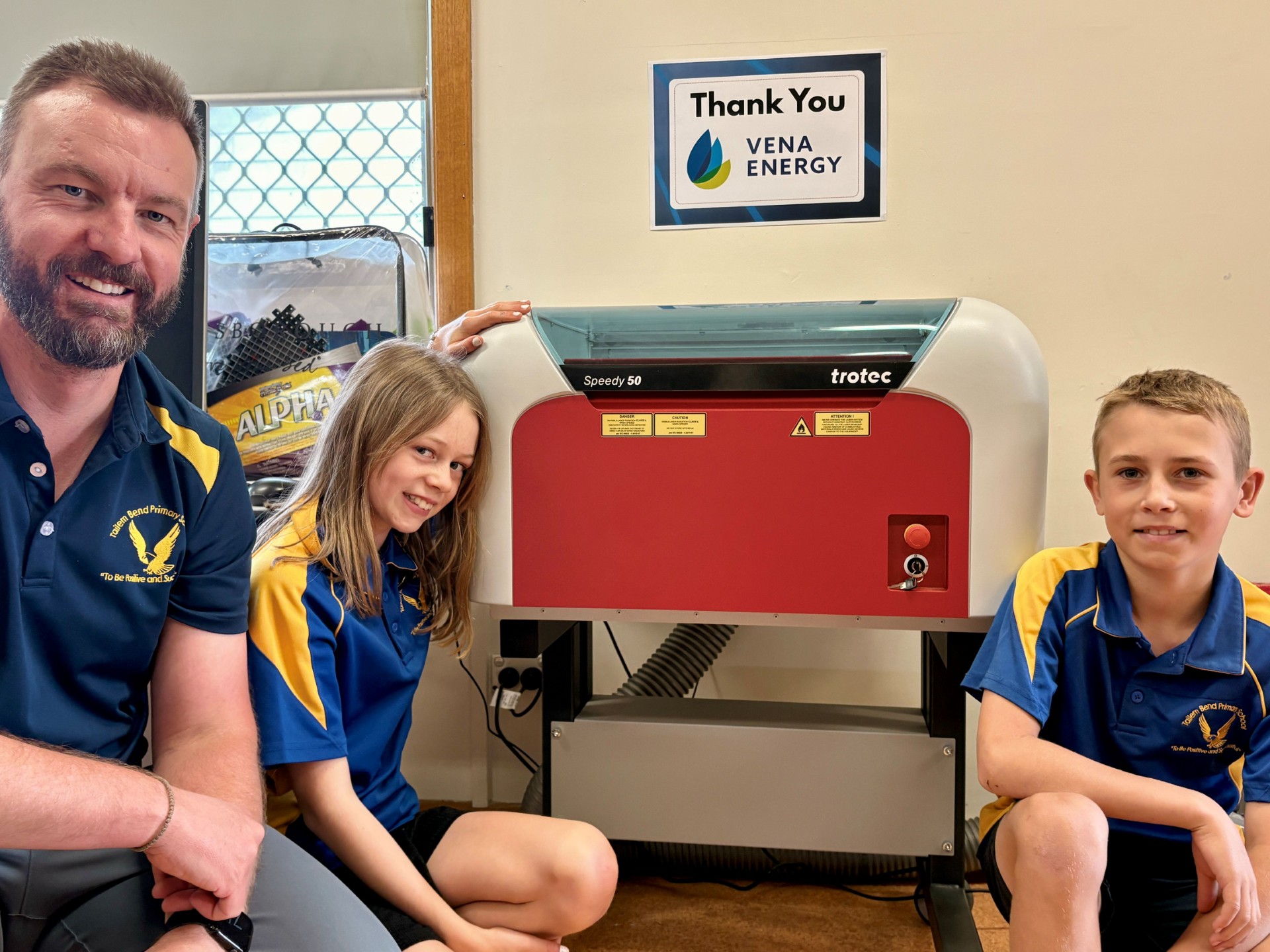
Vena Energy’s Tailem Bend Community Programs support workforce development, STEM education and community-led initiatives across the Coorong District in South Australia. Delivered alongside the Tailem Bend renewable energy precinct, the programs include a Construction Ready Training Program, the Engineering Tomorrow school initiative and a Community Sponsorship Program, all designed to build local capability, improve access to training and education and deliver lasting benefits to the regional community.
First Nations engagement and participation award
The First Nations engagement and participation award recognises an individual or organisation that has demonstrated exceptional leadership in engaging with and supporting First Nations communities through clean energy initiatives. This award celebrates meaningful, respectful partnerships that empower First Nations Peoples and ensure genuine participation in the energy transition.
-
Lake Mackenzie restoration project - Hydro Tasmania
Hydro Tasmania partnered with the Tasmanian Aboriginal community to deliver a co-created restoration project at Lake Mackenzie, addressing erosion impacting Aboriginal artefacts at an operational hydropower site. Aboriginal people and organisations were actively involved in planning and delivery, including erosion mitigation works, artefact repatriation, replica artefact creation and ongoing monitoring.
-
Marlinja Community Microgrid - Original Power, Arup and Marlinja Cooperative
Original Power and the Marlinja community, with engineering support from Arup, delivered Australia’s first Aboriginal-owned and grid-connected solar microgrid in 2024. The project introduced a solar credit sharing model using existing prepayment meters, alongside household energy efficiency upgrades to improve affordability, reliability and thermal comfort. Following project delivery, the Marlinja Cooperative was established in 2026 to support ongoing community ownership and management of the microgrid.
-
Jinbi Solar Project - Yindjibarndi Energy Corporation, Yindjibarndi Aboriginal Corporation and ACEN
Yindjibarndi Energy Corporation, a 50:50 partnership between Yindjibarndi Aboriginal Corporation and ACEN, is delivering the 75MWac Jinbi Solar Project on Yindjibarndi Ngurra in the Pilbara. The project demonstrates a First Nations-led approach to renewable energy development, with Yindjibarndi people embedded as co-owners, decision-makers and delivery partners through governance and equity participation, and is now progressing into construction following financial close.
Equity, inclusion and diversity award
The equity, inclusion and diversity award recognises an individual or organisation that has made an outstanding contribution to creating a more inclusive, diverse and equitable clean energy sector. This award celebrates those who have demonstrated excellence in accessible practices, worked to sustainably increase workforce diversity, supported the meaningful inclusion of underrepresented groups and ensured equitable opportunities across the sector. Through transformative initiatives and changemaking leadership, the recipient has helped build a cleaner energy future that is fair, inclusive and representative of all Australians.
-
Driving equity, inclusion and workforce diversity across the energy sector - Ausgrid
Ausgrid is embedding equity, inclusion and diversity across its workforce, leadership systems and industry partnerships to support a fair and inclusive clean energy transition. The initiative addresses underrepresentation of women, First Nations peoples and other diverse groups in the energy sector by strengthening recruitment pathways, capability programs, workplace systems and community engagement. Through internal reform and cross-industry leadership initiatives such as the Energy Equality Alliance and Women in Energy Sector group, Ausgrid is improving participation, building inclusive workplace practices and helping shape more equitable outcomes across the Australian energy sector.
-
Powering Her Pathway initiative - ENGIE, Tradeswomen Australia, RMIT and TAFE Gippsland
The Powering Her Pathway initiative is a collaborative program designed to address barriers preventing women from entering and staying in clean energy trades. Delivered by ENGIE, Tradeswomen Australia, RMIT and TAFE Gippsland, the six-week Vocational Taster Program combines hands-on technical training, accredited licences, mentoring and practical support to build confidence, skills and clear career pathways. The initiative provides a scalable model to improve female participation, workforce diversity and long-term inclusion across the clean energy sector.
-
Women in Solar: getting more women into the renewable energy workforce - Beon Energy Solutions and Chandler Macleod
Beon Energy Solutions’ Women in Solar (WiS) program is a targeted pre-employment initiative designed to increase women’s participation in construction roles across the renewable energy sector. Delivered in partnership with Chandler Macleod, the program provides structured training, site exposure and wrap-around support to build confidence, job readiness and long-term employability for women, including First Nations participants and those facing systemic employment disadvantage. Since 2019, WiS has supported participants across multiple solar projects, including Quorn Park Solar Hybrid and Broadsound Solar, improving female representation in construction teams and creating a scalable pathway into the clean energy workforce.
Communications and campaign award
The communications and campaign award recognises outstanding initiatives led by organisations that have positively influenced awareness, sentiment or engagement in clean energy. It celebrates strategic campaigns, compelling storytelling and effective stakeholder or public-facing communications that drive understanding, build support and inspire action across traditional, digital or integrated channels.
-
St Ives Renewable Project Community Program - Gold Fields
Gold Fields’ St Ives Renewable Project Community Program is a community-owned communications campaign connecting regional Western Australians to the renewable energy transition at its St Ives Gold Mine. Delivered through school workshops, education sessions, community engagement and storytelling, the program created opportunities for students and First Nations communities to shape the project narrative, including through artwork permanently displayed on seven wind turbines. The campaign increased awareness of renewable energy development and demonstrated the social value of community participation in the clean energy transition.
-(1).jpg)

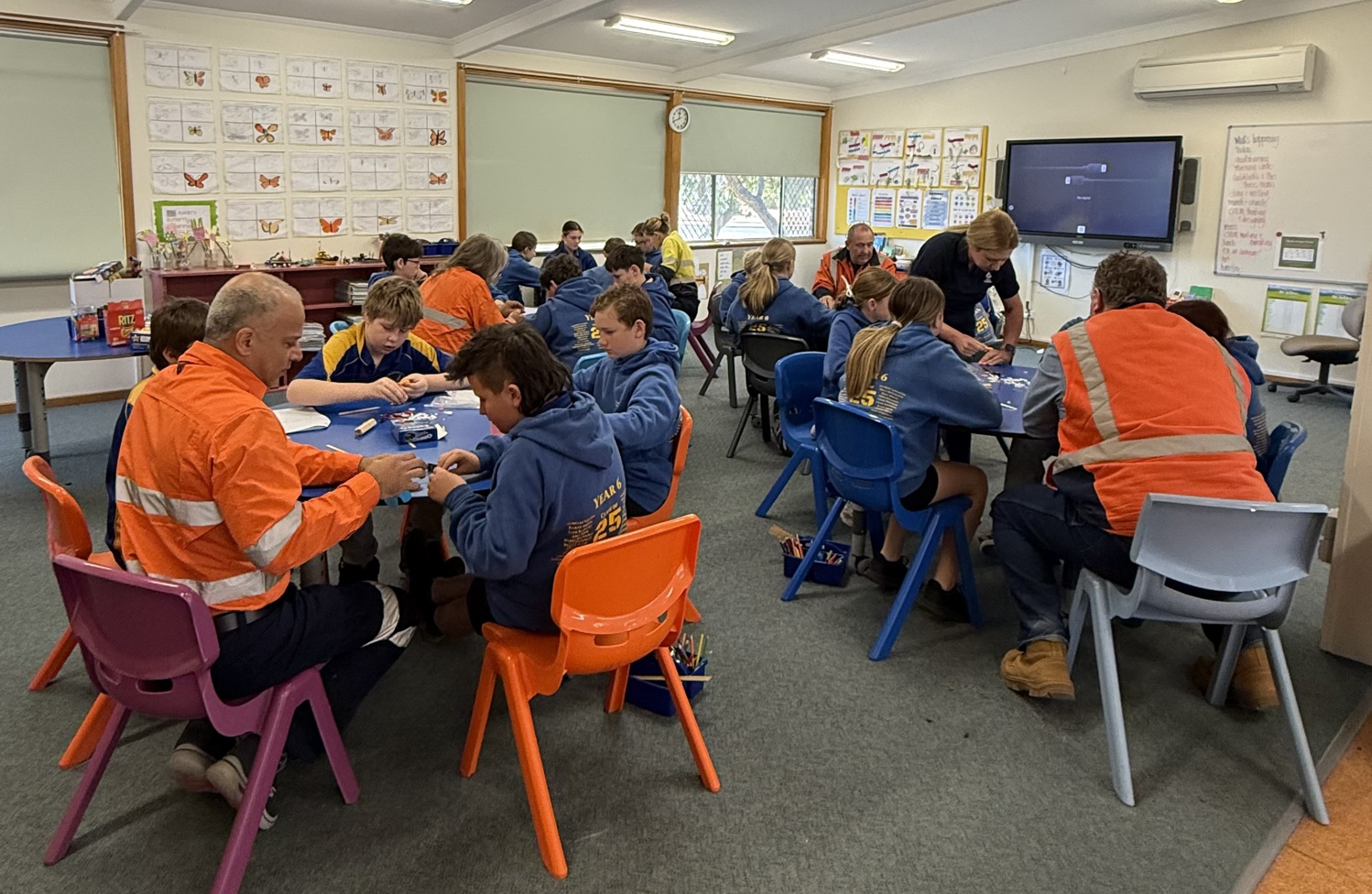
Students from six regional schools participated in hands-on STEM and arts workshops exploring renewable energy and sustainability through visual art, storytelling and creative design.
-
Turbine Made Bolero Fins campaign - ACCIONA Energía
ACCIONA Energía launched a communications campaign building on the Turbine Made initiative by developing Bolero Surf fins made from recycled wind turbine blade material. The campaign used live competition at the Australian Boardriders Battle, media partnerships and storytelling to demonstrate performance, shift public perception and show how end-of-life turbine blade waste is already being addressed through circular solutions.
-
Stubbo Solar Project communications campaign - ACEN Australia
ACEN Australia’ Stubbo Solar Project communications campaign focused on building long-term community trust and understanding of renewable energy development in Gulgong and the surrounding region. A dedicated community office and locally based engagement team were established early in the project, supported by monthly updates in the Gulgong Gossip, community radio, regional events, digital channels and a 1800 project line to ensure accessible, ongoing and locally relevant engagement throughout the project lifecycle.
Media award (journalism)
The media award recognises excellence in journalism that has positively shaped public understanding of renewable energy. This award honours individual journalists or media outlets whose reporting demonstrates accuracy, depth and impact, contributing to more informed public and industry conversations around clean energy.
-
‘What will war mean for the transition’ campaign, The Energy
The Energy’s ‘What will war mean for the transition’ coverage examined how the US invasion of Iran and its flow-on effects on oil and gas supply could impact the energy transition. Using data journalism, news, analysis and thought leadership, the series aimed to connect the dots between oil and gas, energy prices and the transition, providing fact-based information to help energy professionals, executives and policymakers navigate an uncertain time.
-
Graham Readfearn, climate and environment correspondent for The Guardian
Graham Readfearn covers climate change and the clean energy transition through investigative reporting, commentary and multimedia storytelling distributed across Guardian Australia platforms. His submitted work aimed to inform and engage audiences, provide a corrective in an information environment challenged by misinformation and disinformation, and help improve public understanding of key climate and energy issues.
-
Caitlin Fitzsimmons, environment and climate reporter for The Sydney Morning Herald and The Age
Through a series of feature stories, Caitlin Fitzsimmons used case studies and visual references to educate the public and policymakers about the potential of clean energy technology and the real impediments to progress. Her stories explored vehicle-to-grid charging, EV charging in city areas and home energy efficiency, helping move the conversation from theoretical to practical while reaching tens of thousands of readers.
Learn more about the Clean Energy Council Awards
Find out about award categories, past winners and how to get involved.