Origin Energy’s decision today to extend the life of the Eraring coal-fired power station until 2029 is not unexpected, but underscores the urgent need to accelerate private investment in renewable energy, storage and transmission across NSW and the nation, to reduce reliance on an ageing coal fleet that is increasingly unreliable and costly, according to the Clean Energy Council.
Jackie Trad, Chief Executive of the Clean Energy Council, the peak body for the wind, solar, pumped hydro and energy storage sector, said the extension reflects the importance of managing the energy transition in an orderly way to maintain system security as large coal generators retire. However, continued reliance on ageing coal power stations is increasingly driving unplanned outages, wholesale price spikes and higher electricity costs for households and businesses.
Every renewable energy, storage and transmission project that reaches delivery reduces our reliance on ageing coal and moves the system closer to being cleaner, more affordable and more reliable.Jackie Trad Clean Energy Council CEO
“The average age of coal-fired generators in the National Electricity Market is now 38 years, with the historical retirement age just 44 years, placing much of the fleet firmly in the high-risk phase of its operating life,” Ms Trad said.
“Only last week, we saw the latest episode in a series of coal-fired power failures, with yet another unplanned outage at the Callide C coal plant in Queensland, which saw two units taken offline and wholesale prices spiking yet again.
“Every renewable energy, storage and transmission project that reaches delivery reduces our reliance on ageing coal and moves the system closer to being cleaner, more affordable and more reliable,” she said.
The solution is to continue accelerating renewable energy, batteries, pumped hydro and transmission so Australia can replace coal with cleaner, cheaper and more reliable power, while avoiding the price shocks that coal outages continue to cause.Jackie Trad Clean Energy Council CEO
Ms Trad said these outcomes underline why extending the life of ageing coal plants is far from ideal.
“An orderly transition matters, but the reality is that old coal power stations are increasingly unreliable and expensive, and that volatility flows straight through to consumers,” Ms Trad said.
The consequences of these unexpected outages are material. Large coal units, averaging around 1500 MW in capacity, going offline without warning have been a major contributor to wholesale price spikes across the NEM in recent years. In the 12 months to 31 October 2025, an average of 24 per cent of coal-fired generation was unavailable in NSW and Queensland, with Victoria close behind at 19 per cent. In just one month from late October to late November last year, there were seven unplanned coal outages.
During that period, wholesale electricity prices surged from around $70/MWh in October to $220/MWh in NSW. The analysis recorded 128 unplanned coal breakdowns - eight times more than expected by the market operator.
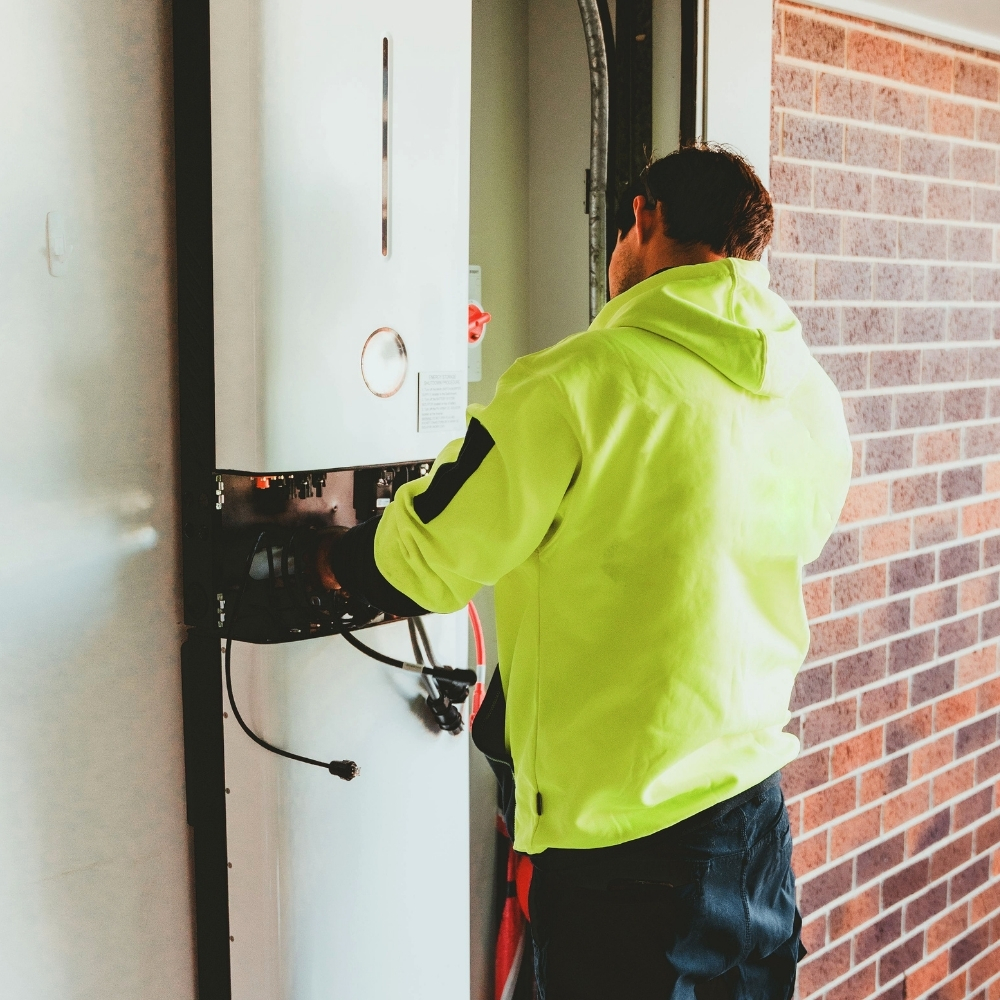
The Clean Energy Council also acknowledged Origin Energy’s ongoing commitment to its large-scale battery project at the Eraring site, which will play a critical role in supporting system reliability as coal exits the grid. Large batteries are already providing fast, flexible support to the power system, helping manage peak demand, firm renewable generation and deliver essential system services once provided by coal.
Momentum in energy storage continues to accelerate nationwide. In the most recent quarter, five storage projects worth a combined 1199 MW of capacity and 4062 MWh of energy output reached financial close — the third highest quarterly result on record. Three storage projects were commissioned during the same period, delivering a record 541 MW and 1766 MWh of new capacity.
Ms Trad said these investments demonstrate that the pathway to a more reliable and affordable energy system is already well underway.
“The solution is not to lean longer on ageing coal plants a day longer than necessary.
“The solution is to continue accelerating renewable energy, batteries, pumped hydro and transmission so Australia can replace coal with cleaner, cheaper and more reliable power, while avoiding the price shocks that coal outages continue to cause,” she said.
ENDS
For more information or to arrange an interview, please contact:
Danielle Tricarico
Clean Energy Council General Manager - Media
Liam Straughan
Clean Energy Council Media Officer
+61 409 470 683
Latest news

Submission on strengthening Australia’s response to modern slavery in supply chains

Australians backing rooftop solar, home batteries in record numbers
Rooftop solar and storage report: January to June 2026

Australia's clean energy pipeline notches a big century in 2026

Reckless Coalition energy plan would take Australia backward