Renewables are delivering real benefits in Central West NSW
Find out what renewables are really doing in the region
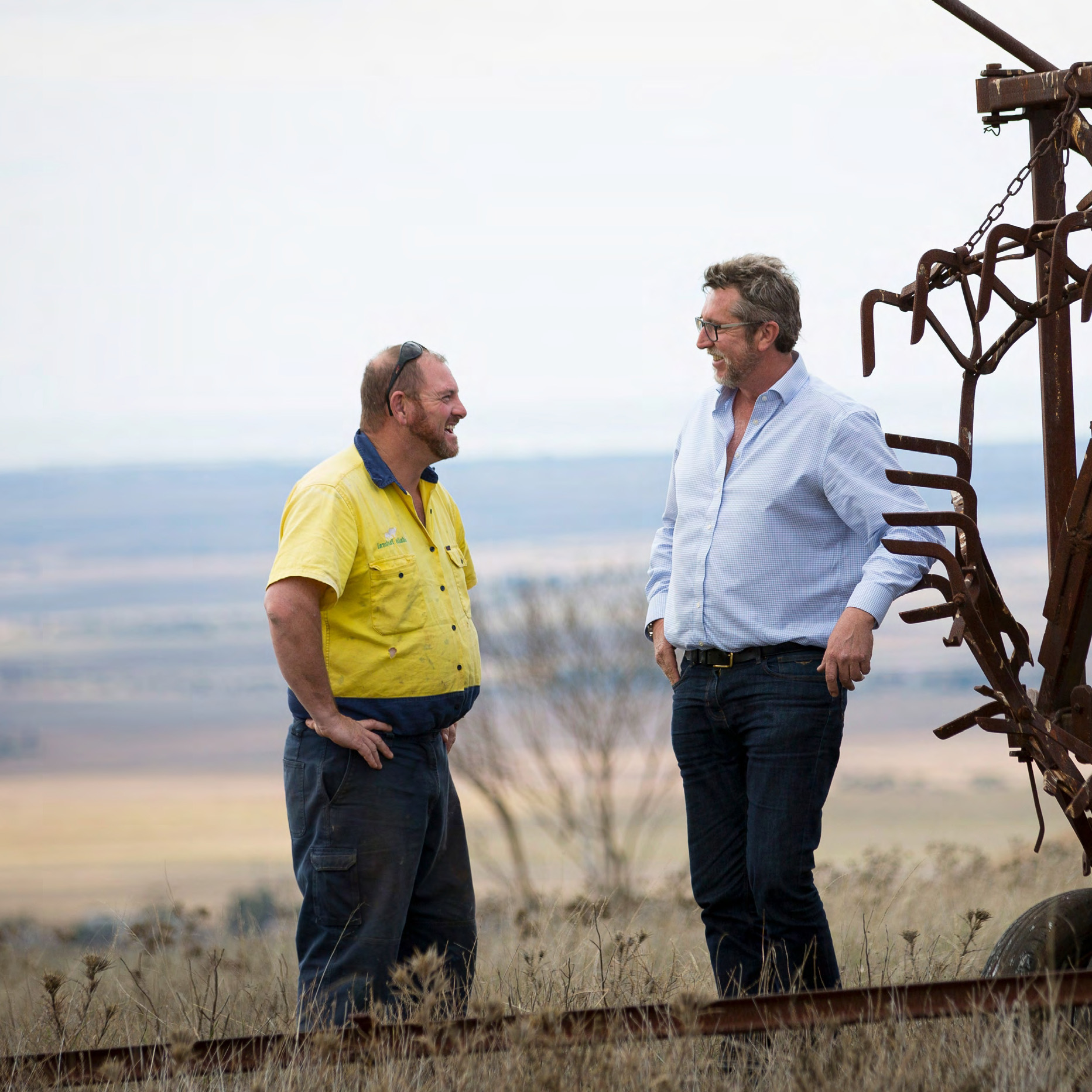
Building local jobs and business, community benefits and regional prosperity
There's a lot of talk about renewable energy. Here's what’s happening on the ground.
In the Central-West Orana Renewable Energy Zone in NSW, one of the regions building the wind, solar, battery and transmission projects that will power Australia's future, real regional prosperity is being built.
Scroll down to discover the real numbers, individual stories and facts about renewables in the region.
The real numbers behind Orana’s renewables
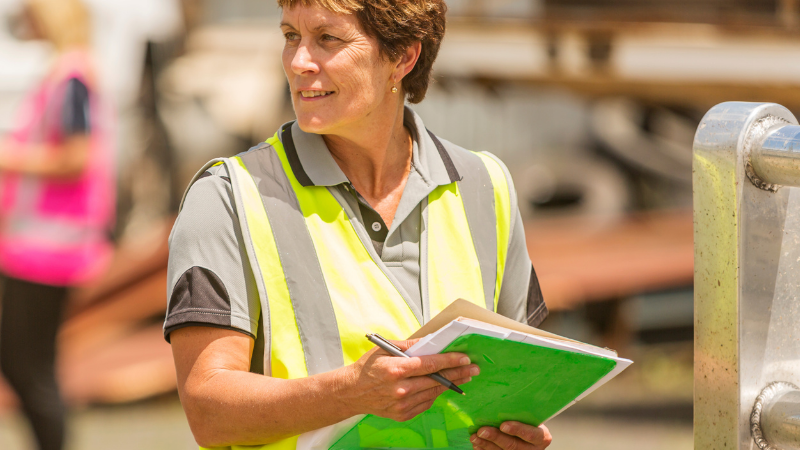
LOCAL JOBS
Nearly 600 locals are already on the tools
Right now, nearly 600 people from this region are earning a living building the transmission line that will carry the region's new energy.
That's just one project. With wind, solar and battery builds underway across the region, hundreds more well-paid trade jobs are opening up, many with apprenticeships attached.
Renewables are forecast to support an annual average of about 1,850 direct jobs in the local area during construction, and about 930 ongoing operational jobs from 2034.
Source: EnergyCo, 2026

LOCAL BUSINESS
More than 150 local firms have already won work
From plant hire to concrete, transport to catering, more than 150 businesses from this region have already picked up contracts on the transmission build alone. And its only set to rise as new wind, solar and battery projects begin construction This isn’t outside money passing through, it’s real opportunities for local firms and local jobs.
Source: NSW Government, 2026 (see Livelihood)
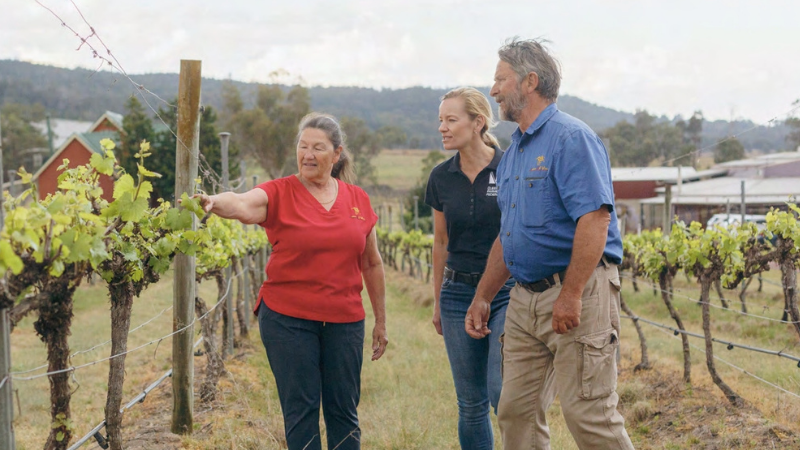
LOCAL BENEFITS
$5.5 million a year to local councils and communities
Every wind, solar and battery project connecting in the region pays a set rate for every megawatt it builds. Across the region that adds up to around $5.5 million a year, every year, for the next 25 to 30 years. And councils and communities get to decide where it goes, ensuring this region's future is decided by the people who call it home.
Source: Calculated on benefit rates (NSW Government, 2024) and projects (EnergyCo, 2025)
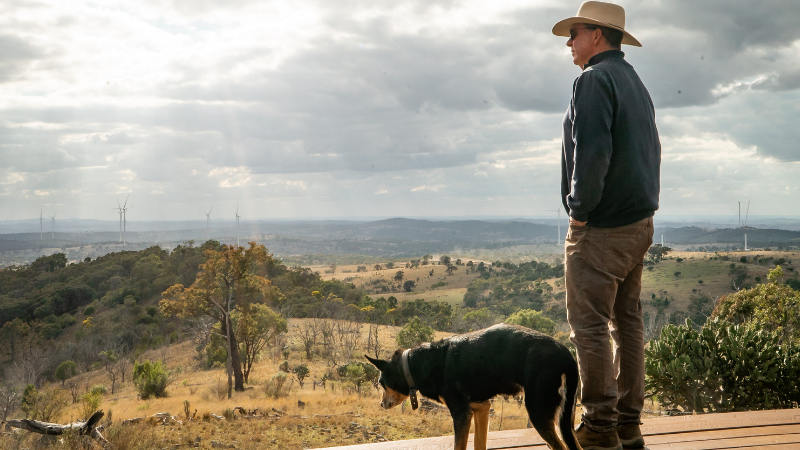
LOCAL PROSPERITY
$40,000+ a year, per turbine, rain, hail or drought
Host farmers get paid whether it's a boom year or a drought year — lease payments that don't move with wool prices, cattle prices, or the weather. Across the region that's an estimated $20–25 million a year going straight into farming families' pockets, locked in for 25 to 30 years.
Source: Calculated on lease payments (Clean Energy Council) and projects (EnergyCo)
Real stories from Central West NSW
View local examples of how renewable energy developments are delivering for communities, Traditional Owners, landholders and the environment from the Best Practice Charter 2025 reports.
The facts about renewables