Connections Reform Initiative Harmonics workstream
Prioritising practical improvements to the management of harmonics
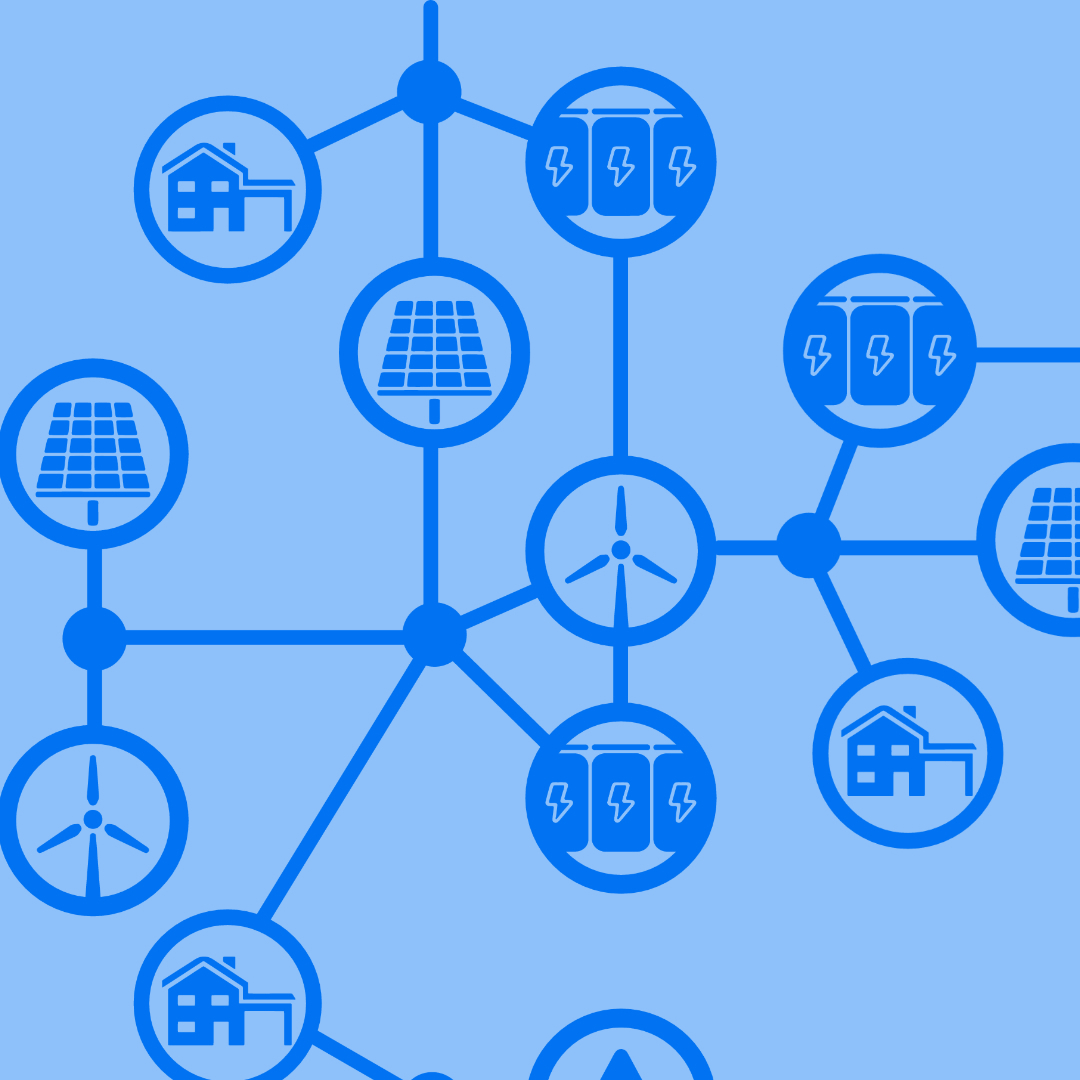
Harmonics are small distortions in the ‘shape’ of electricity arising when direct current generation or load sources are converted into the alternating current used in the grid.
These small distortions can not only add up but can also interact with and amplify each other. Managing them properly helps improve power quality and increase equipment lifetimes, but if requirements are too conservative, they can lead to overinvestment in harmonic filters. Similarly, varying requirements across different parts of the grid can add unnecessary complexity and cost.
The Harmonics workstream of the Connections Reform Initiative will develop an industry-supported pathway to improve how harmonics are managed across the NEM, enabling harmonic distortions to be more accurately identified and more efficiently resolved.
Stakeholder engagement is taking place now to help deliver recommendations in 2027.
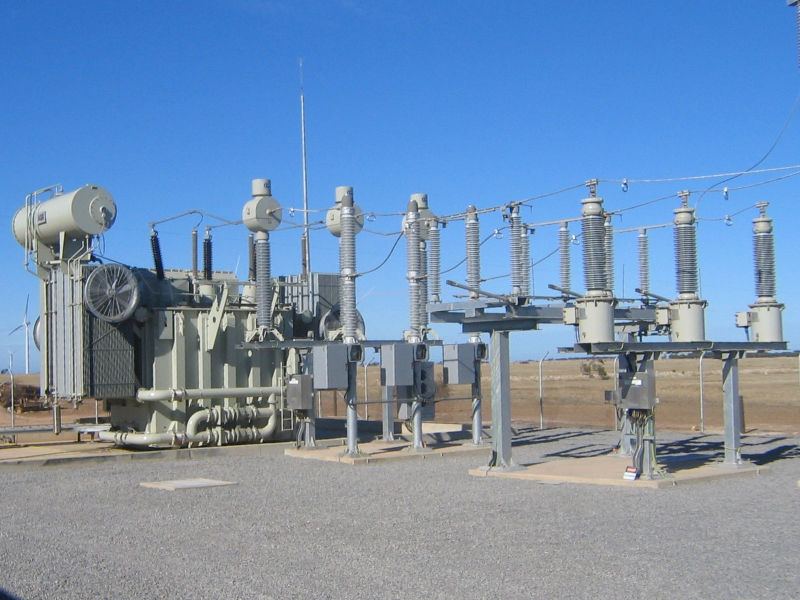
The Harmonics workstream will use expert-led co-design with network service providers (NSPs) and connecting parties to identify and prioritise practical improvements to harmonic information, modelling, allocations and compliance arrangements.
It will also assess whether a targeted rule change is needed to better allocate responsibility for harmonic management and to enable network-led solutions when identified issues are more efficiently solved at the network level.
Industry stakeholders have identified several challenges with the way harmonics are currently managed:
• NSP harmonic allocations can be conservative, inconsistently set and trending lower, in some cases below measurable thresholds.
• A plant that is compliant in pre-connection studies can still fail at commissioning due to data and modelling uncertainty or changed conditions in the network, driving overinvestment in harmonic filters to mitigate this risk.
• Filters can elevate system voltages, trigger generator performance standard (GPS) renegotiation and create ongoing operating costs. These problems compound as more Inverter Based Resources (IBRs) connect.
• Harmonic amplification is driven by network resonance, not connecting party emissions alone, yet connecting parties bear compliance responsibility and cost under the current framework.
• NSPs lack investment levers to manage amplification, meaning that even if the most efficient solution is investment on the network side of the connection point, networks are not able to fund the costs of doing so, and there is no coordinated management across nearby connections.
The workstream aims to establish broad industry agreement on a practical reform pathway for harmonics, including identifying and prioritising improvements to information provision, modelling, harmonic allocation and compliance practices. It seeks to deliver benefits for three groups:
• Connecting parties: more achievable and transparent harmonic allocations, and reduced risk of unnecessary filters and associated delay and costs.
• NSPs: a clearer basis for setting harmonic allocations, and more equitable cost recovery for managing amplification driven by network-side factors.
• The NEM: a harmonics framework better matched to a changing power system, reducing over-voltage risks and compliance uncertainty, avoiding overinvestment in mitigation equipment and reducing downstream operating costs from excessive filter deployment.
Stage 1: Identify a reform pathway
Stage 1 will be led by an independent technical facilitator working with a balanced focus group with strong NSP representation. This stage will include:
• Conducting a research & literature review including prior CRI material and recent and ongoing work by the University of Wollongong, and engaging with domain experts, including from other jurisdictions.
• Using stakeholder-led design to shape improvements through mapping pain points and potential reform areas.
• Developing a clear reform pathway in a final report together with supporting project briefs for agreed improvements.
Stage 2: Implement recommendations
Stage 2 would implement recommendations. Any implementation, detailed technical study or rule change will require separate scoping and approval.

Building better connections together
The success of the CRI to date has only been possible due to the contributions of industry participants who have volunteered their time, expertise and resources to support reform development and implementation.
AEMO and the Clean Energy Council acknowledge and thank the organisations and individuals who have contributed to the initiative and continue to support Phase 2 activities.
To enquire about participating in the CRI, contact connectionsreform@cleanenergycouncil.org.au or contact.connections@aemo.com.au.