As conflict far from Australia’s shores drives up fuel prices and renews inflation pressures, households are increasingly taking energy security into their own hands.
Australian households installed a record number of rooftop solar systems and home batteries in the first half of 2026, asserting control over their power bills and strengthening Australia’s energy security in the process, the Clean Energy Council (CEC)’s latest report has found.
Released today, the bi-annual Rooftop Solar and Storage Report (Jan-Jun 2026) reveals that in every state, Q2 2026 was the highest quarter for rooftop solar installations on record, with 102,234 installations accounting for 1079 MW of capacity.
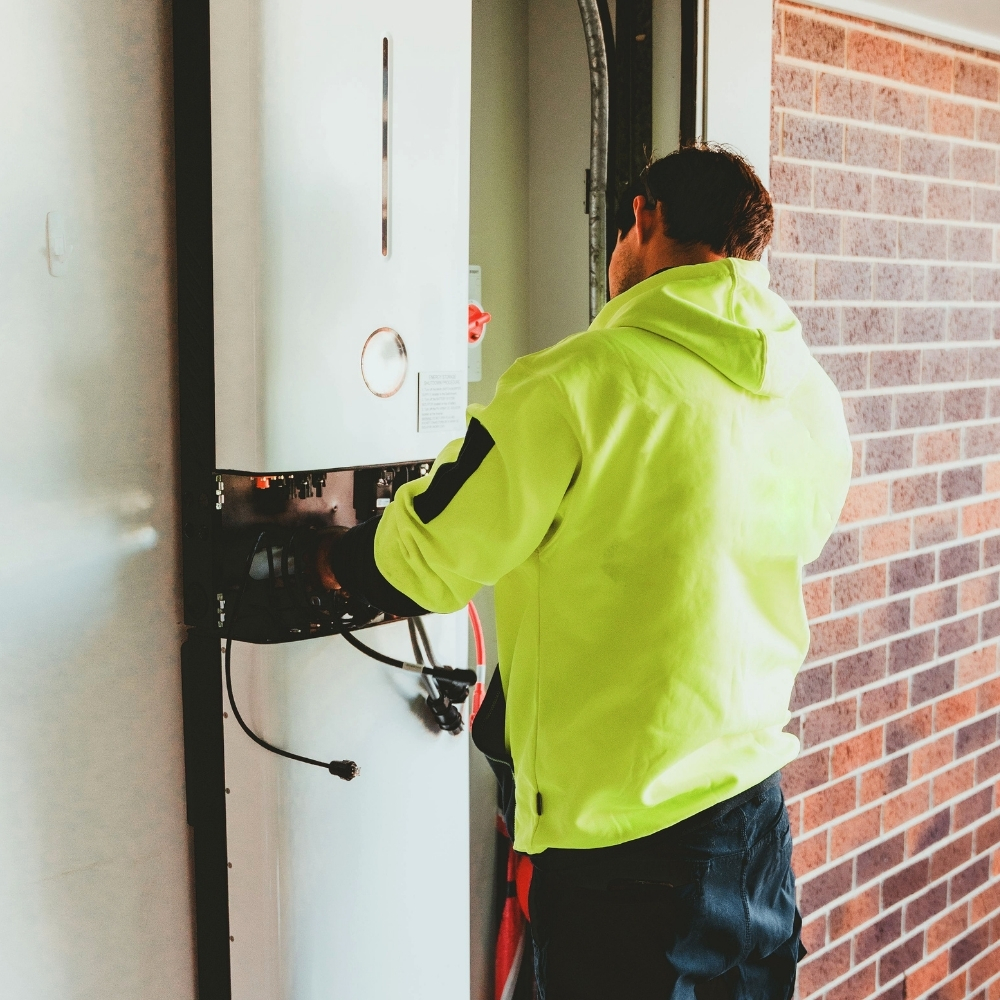
The Cheaper Home Batteries program continues to exceed expectations, with over a quarter of a million Australian households embracing the opportunity to store the cheap, clean power they generate at home.
The report also found that during the first half of 2026:
- Approximately 180,878 rooftop solar systems were installed during the first half of 2026, a 35 per cent increase on the same period in 2025, and the strongest six-month total since 2021.
- During the same period, 276,011 home batteries were installed – 52 per cent higher than the prior six months (183,245), and progressing at a faster rate than rooftop arrays (153 batteries for every 100 rooftop solar installations).
- On current trends, rooftop solar and consumer battery storage capacity in Australia looks set to exceed the Australian Energy Market Operator (AEMO)’s 2029-30 forecasts in the 2026 Integrated System Plan (ISP), by 13 per cent and 79 per cent, respectively.
- Since January 2019, Australians have installed 21,979 MW of rooftop solar, eclipsing the combined capacity of the nation’s remaining coal-fired power station fleet.
CEC Chief Executive, Jackie Trad, said that Australians have embraced solar because it provides energy security and lower bills at a time of global instability and economic uncertainty.
“The sun cannot be blockaded in the Strait of Hormuz. Australians not only understand this but they’re acting on it, taking control of their household energy at a time when fossil fuel price spikes and inflation are having a real impact on their finances,” she said.
"Solar and batteries provide Australian homes with lower bills, reliable power, and clean energy, which is why people are opting for them in droves.
“Australia is in the midst of household solar boom. We now have more rooftop solar capacity in Australia than the capacity of all our remaining coal-fired power stations combined.”
The sun cannot be blockaded in the Strait of Hormuz. Australians not only understand this but they’re acting on it, taking control of their household energy at a time when fossil fuel price spikes and inflation are having a real impact on their finances.Jackie Trad Clean Energy Council CEO
“The historic growth in household renewables is a win for both consumers and the country - delivering value and reliability for Australians and greater security for our nation's energy supply,” Ms Trad said.
“The coming expansion of the Small-scale Renewable Energy Scheme (SRES) to support solar systems up to 1 MW in size can help boost solar adoption by commercial and industrial businesses, driving down their operating costs.”
ENDS
For more information or to arrange an interview, please contact:
Liam Straughan
Clean Energy Council Media Officer
+61 409 470 683
Latest news

Op-ed: If coal won’t quit, it should pay

Submission to NSW DCCEEW on changes to the Biodiversity Assessment Method

Submission to Industry-led Electricity Contract Co-Design Consultation Paper

Submission on strengthening Australia’s response to modern slavery in supply chains

Australians backing rooftop solar, home batteries in record numbers